A Strong Cultural Tradition at the Heart of Karen Communities
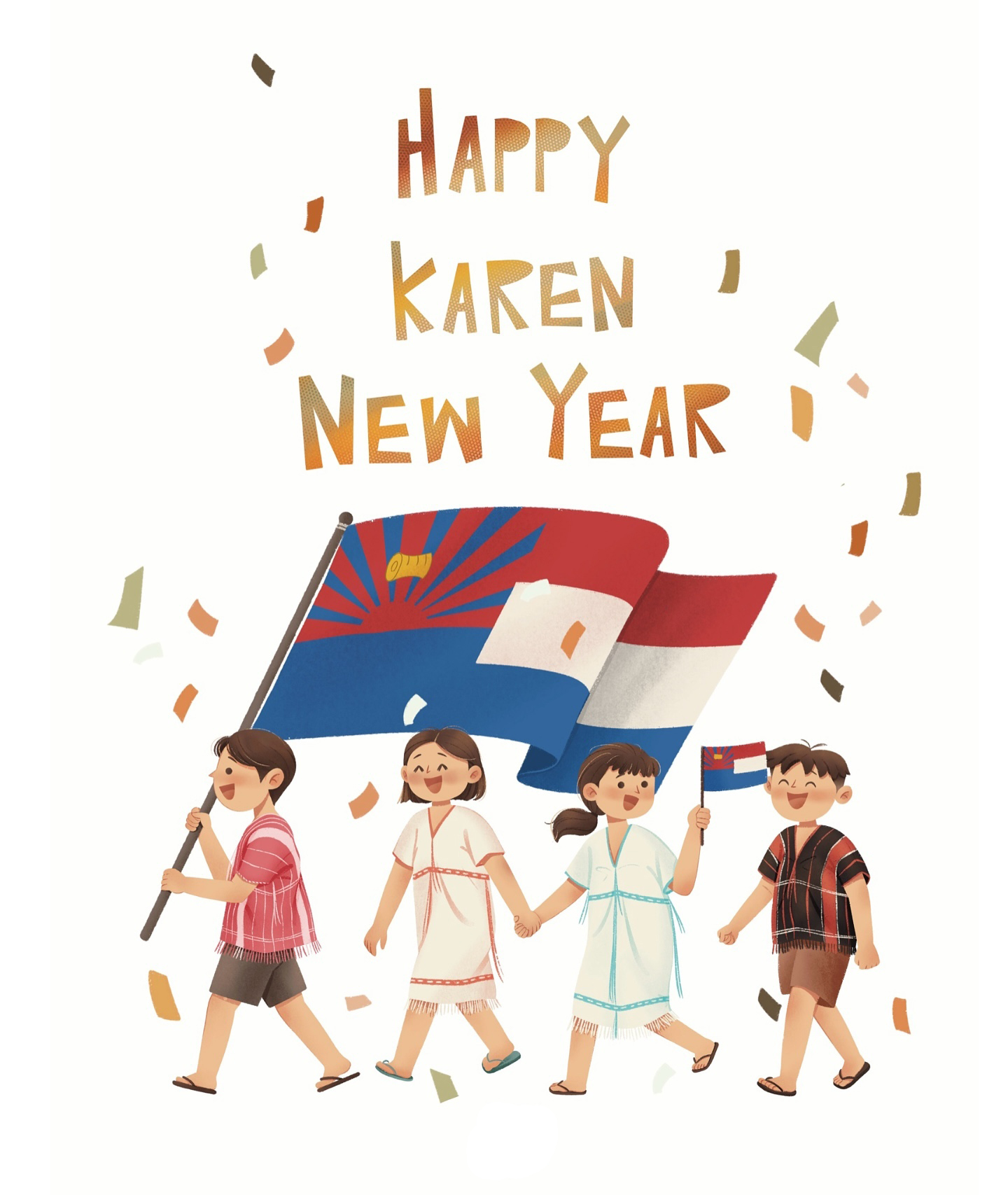
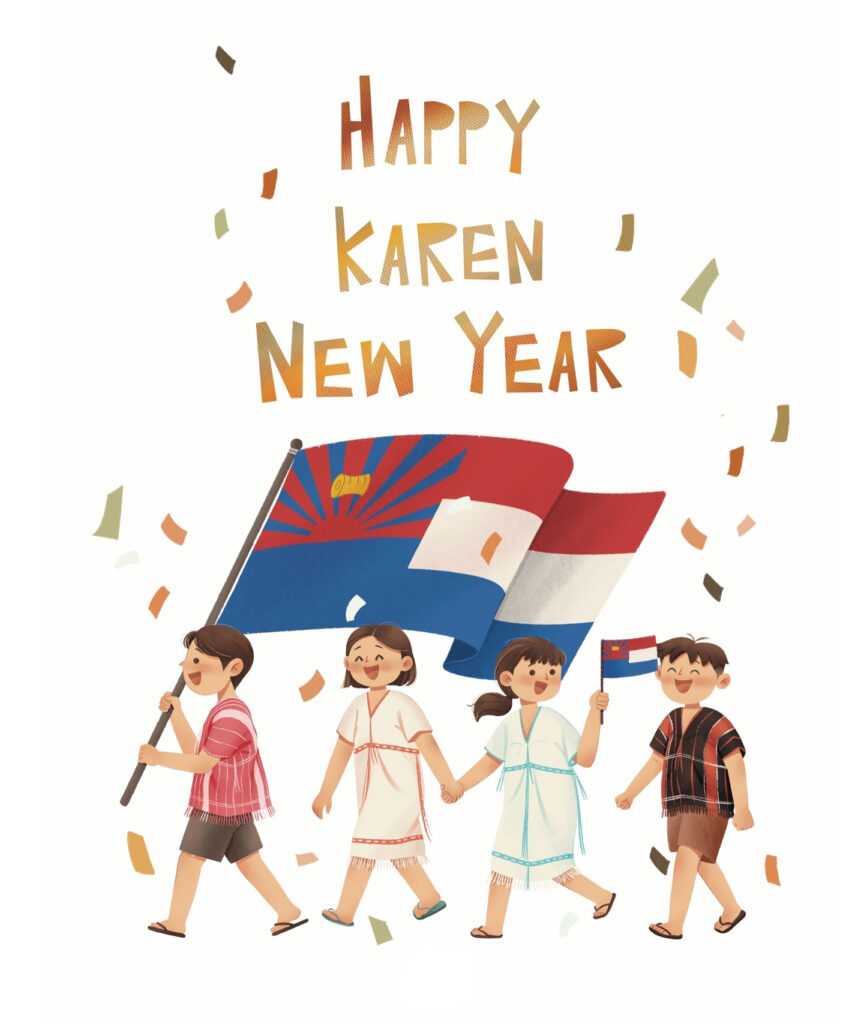
Each year, between late December and early January, Karen communities celebrate Karen New Year, the most important cultural event in their calendar. This traditional celebration marks both the end of the harvest season and the beginning of a new agricultural cycle, deeply rooted in rice farming and community life.
For Nam Jai Children, an association committed to supporting children from Karen schools located in mountainous areas along the Thai–Myanmar border, this celebration holds special meaning.
What Is Karen New Year?
Karen New Year is celebrated on the first day of Pyatho, the tenth month of the Burmese lunar calendar. Depending on the year, this date falls in late December or early January in the Gregorian calendar.
More than just the start of a new year, Karen New Year symbolizes:
- gratitude for the past harvest,
- hope for a prosperous new season,
- the strengthening of family and community bonds,
- the transmission of Karen cultural identity.
A Cultural Celebration Beyond Religion
Karen communities include people of different beliefs—animist, Buddhist, and Christian. Karen New Year is therefore not a religious festival, but a cultural and identity-based celebration that brings people together around shared values: respect, solidarity, mutual support, and cultural transmission.
Celebrations usually include:
- traditional dances,
- ancestral music and songs,
- shared meals,
- community gatherings,
- speeches highlighting Karen culture and history.
An Officially Recognized Heritage
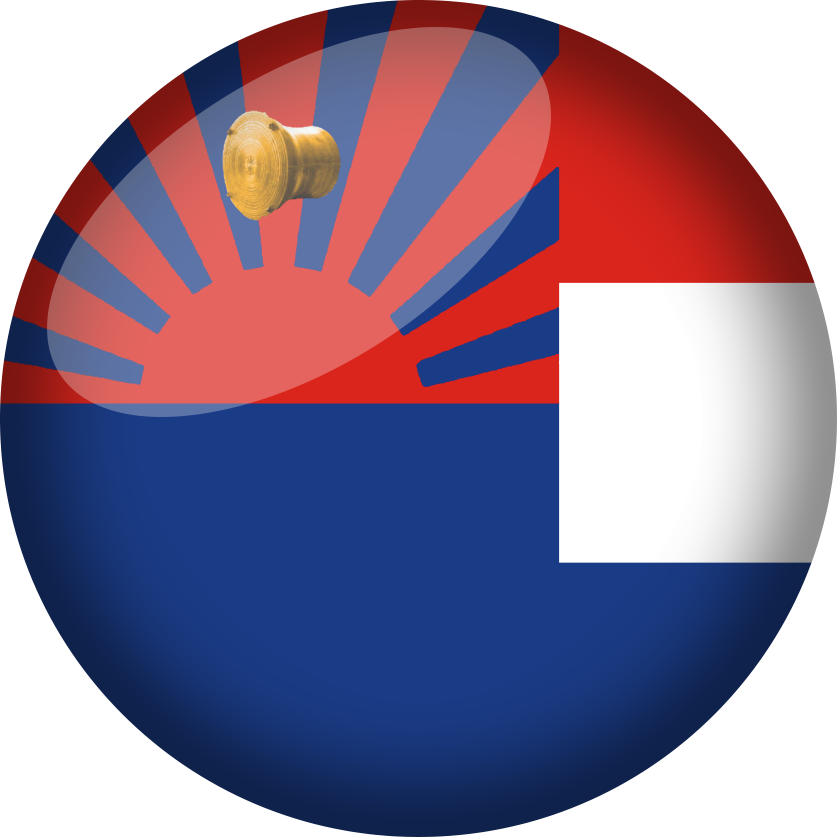
Although Karen New Year has been celebrated for generations, it was officially recognized in 1938 under British administration in Burma, following requests from Karen national leaders. Since then, it has been celebrated annually in Myanmar, as well as among Karen communities in Thailand and throughout the diaspora.
This recognition has played an important role in preserving and promoting a culture that has long faced marginalization.
Karen New Year and Children
For Karen children, New Year celebrations are a key moment:
- they take part in dances and ceremonies,
- they often wear traditional clothing,
- they learn about the history and values of their community.
In remote areas—especially mountainous regions near the Thai–Myanmar border—these traditions are essential in building children’s identity, confidence, and sense of belonging.
These are the regions where Nam Jai Children carries out its actions, supporting education, well-being, and everyday living conditions for students.
Nam Jai Children’s Commitment to Karen Communities
For several years, Nam Jai Children has been supporting a Karen school through practical and sustainable actions. By providing essential items such as sports T-shirts for school and physical activities, the association helps to reinforce:
- equality among students,
- a sense of belonging,
- dignity and pride among children.
Karen New Year is an opportunity to highlight that preserving culture also means protecting and educating future generations.
Celebrating Culture to Build the Future
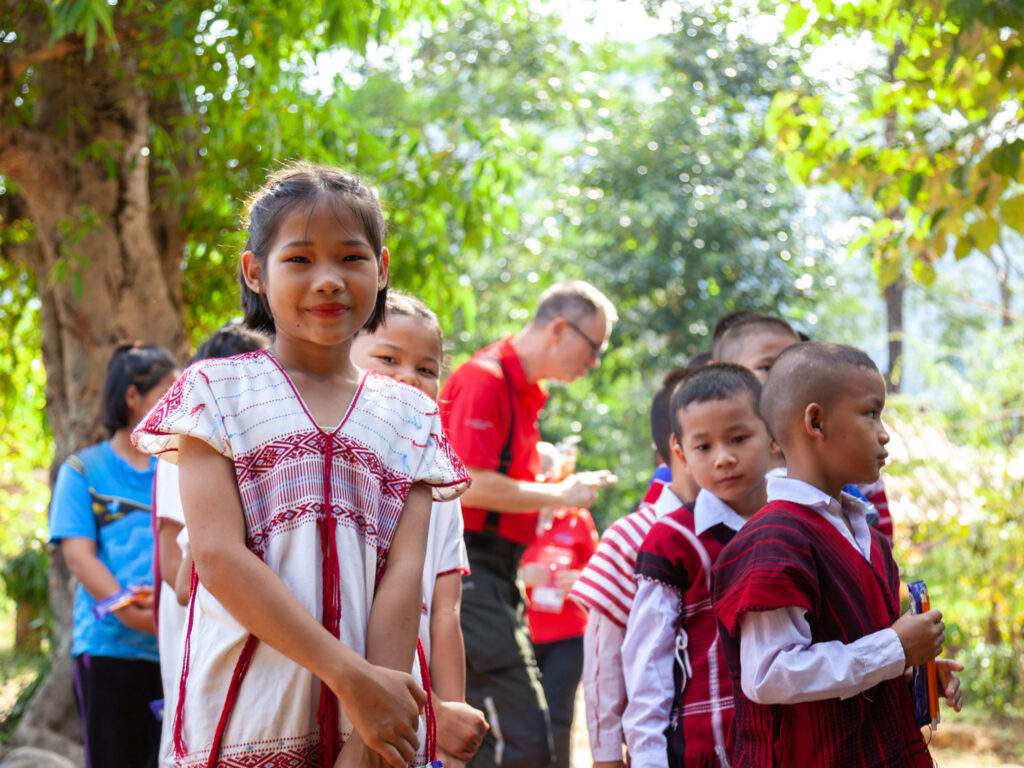
Through Karen New Year, the Karen people celebrate not only a new year, but also their resilience, cultural richness, and future. By sharing and promoting these traditions, Nam Jai Children contributes to greater recognition and respect for the communities it supports.
💛 Supporting Karen children also means helping to preserve their culture and identity.